
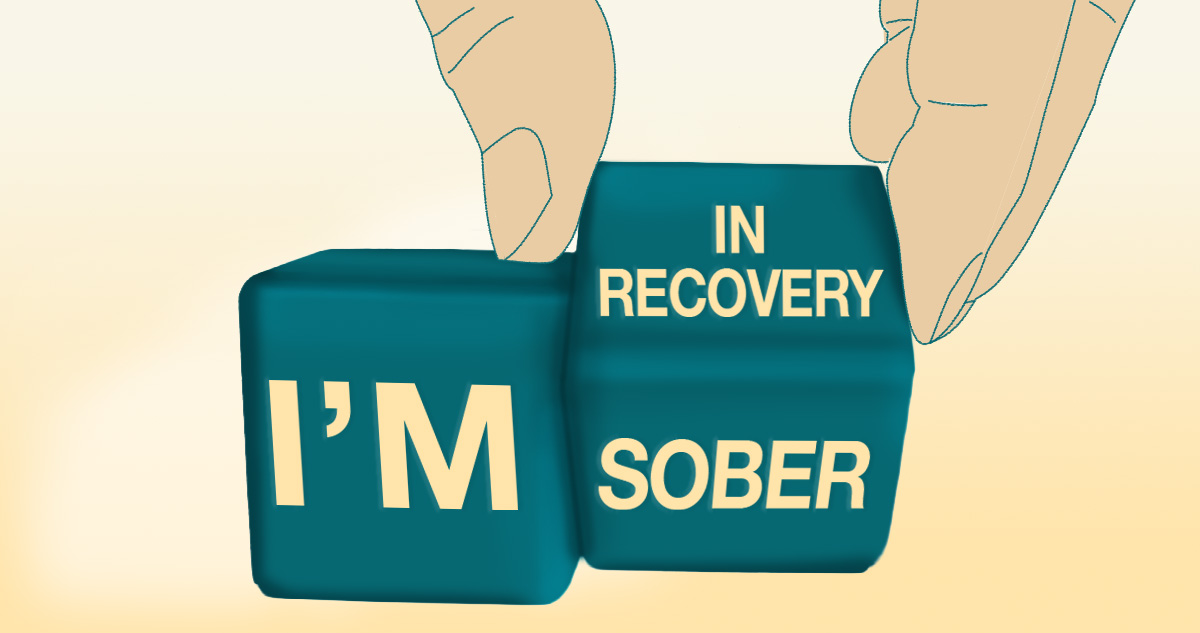
When discussing recovery from problematic substance use, the terms rehab, detox, and recovery are often used interchangeably but it’s important to understand their distinct differences so that you can support your loved one throughout their journey while having realistic expectations.
What is Rehab?
Rehab – short for rehabilitation – is a treatment program to address individuals’ concerns about their use of alcohol or other drugs. It is a place for someone to begin to heal while providing some tools for sobriety.
Rehab programs may or may not include support for withdrawal management (detox). This is the process of helping a person safely stop using substances and manage withdrawal symptoms. Detox is a starting point only.
Rehab programs may be offered as:
- Inpatient – 24-hour care in a facility
- Outpatient – Treatment appointments while living at home
These programs typically last a few weeks to a few months and focus on medical care, therapy, and education.
What is Recovery?
While rehab is a starting point, recovery is a lifelong journey. It is an ongoing process that requires a decision for sobriety each day. The purpose of recovery is to begin to identify and address the root causes for the substance use and heal from the physical, emotional, social and spiritual consequences of their use and to rebuild a substance-free.
Healing from past scars is an essential step on the road to recovery. Substance abuse very often stems from trauma, abuse, or deep-seeded pain. For true recovery, individuals need to recognize and begin the journey to heal those wounds.
Someone in “recovery” focuses on personal growth, relapse prevention, and sustained wellness strategies. This might include attending a support group, regular therapy or counselling, lifestyle changes, and rebuilding relationships.
The Difference Matters
It’s important to understand the difference between rehabilitation and recovery because it helps temper expectations. Family members may think their loved one will come home from rehab and be “cured” but their journey of recovery is an experience of learning and growth (which is true for all of us).
Understanding this is a lifelong journey, means showing empathy and support towards the person on the road to recovery.
Family and friends who understand that recovery is not a sprint, but a marathon can be an encouragement when challenges arise. This creates a great support system for the person in recovery.
Appreciating the difference between rehab and recovery also helps to reduce the stigma associated with addiction. Recovery is a process and that means even post-rehab struggles are part of the journey. Each step in the right direction is worth celebrating.