
There are a lot of misconceptions about substance abuse and addiction, likely because many people base their thoughts and opinions on information gleaned from social media, television, or simply guessing.
We want to help dispel some of the myths surrounding addiction so those who are struggling can feel loved and supported on their road to recovery.
Myth #1 – addiction is a choice
No one chooses to become addicted. Although using for the first time is a choice, over time something changes in the brain, so it responds differently to rewards, stress, and self-control. In a sense, the brain’s reward system gets hijacked and can leave the person needing to use in order to feel “normal”.
The more substances consumed, the more disruptive it is to the brain. This is a long-term change and can last well after the person has stopped using drugs or alcohol. These brain changes affect self-control and the ability to resist urges which is why it is so difficult to stop using.
Myth #2 – Addiction only affects the person using
The choices of an individual abusing drugs or alcohol have consequences that spill into every area of their life.
- Spouse or partner – Those closest to someone struggling with addiction endure a wide range of emotions; worry, disappointment, frustration, anger. All these feelings can take an emotional toll on the mental health of the spouse or partner. It could also impact finances – whether legal fees, treatment costs, or lost wages.
- Children – The child of someone battling addiction may face emotional trauma or neglect which could result in mental health or behavioural issues and missed school. There’s also a higher likelihood that these children will struggle with substance abuse themselves.
- Extended family & friends – Parents, grandparents, siblings, and friends are all impacted when someone they love is on a destructive path.
- Workplace – Over time, it becomes more difficult to conceal the addiction while at work. Arriving late or taking days off won’t be tolerated by all employers. Working while intoxicated or high can also have serious safety issues – not just for the individual but also their coworkers.
- Ripple effect – The consequences of an addiction can have a ripple effect on many parts of the community including increased strain on emergency services, health care providers, and mental health care.

myth #3 – People need to hit their rock bottom before recovery can start
Rock bottom is an elusive term, indicating that someone battling addiction is unable to get help until they have lost everything – family, job, home, etc.
This myth suggests that only someone at their very lowest can start their recovery journey. This simply is not true. In fact, waiting for someone to get to that point can increase the chance of physical and mental health challenges. While it is true that only the person struggling with addiction can make the choice to get help, they don’t have to wait until every good thing in their life is gone.
myth #4 – Relapse Means Failure
The road to recovery is long and has many twists and turns along the way. However, each step down the road is a milestone. Overcoming a drug or alcohol addiction is very challenging and sometimes, relapse can be part of the journey.
If your loved one is on that road, be supportive and let them know there is hope. You can’t do it for them, but you can walk with them. It’s important to stay engaged with open and honest conversations. Your presence matters more than your advice.
Most of all, never give up on them! You don’t have to be perfect, you just have to keep showing up.
myth #5 – It’s easy to spot someone who is experiencing addiction
Addiction affects every walk of life – men, women, teens, seniors, professionals and the homeless. Many people struggling with addiction, have a family, are holding down a job, and paying their bills. Functioning addiction is more common than you think with many people going to great lengths to hide their drinking or drug use from those closest to them.
It is impossible to know what is happening behind closed doors and what struggles are being hidden from public view. As the expression goes, you cannot judge a book by its cover.


myth #6 – Cannabis is not addictive
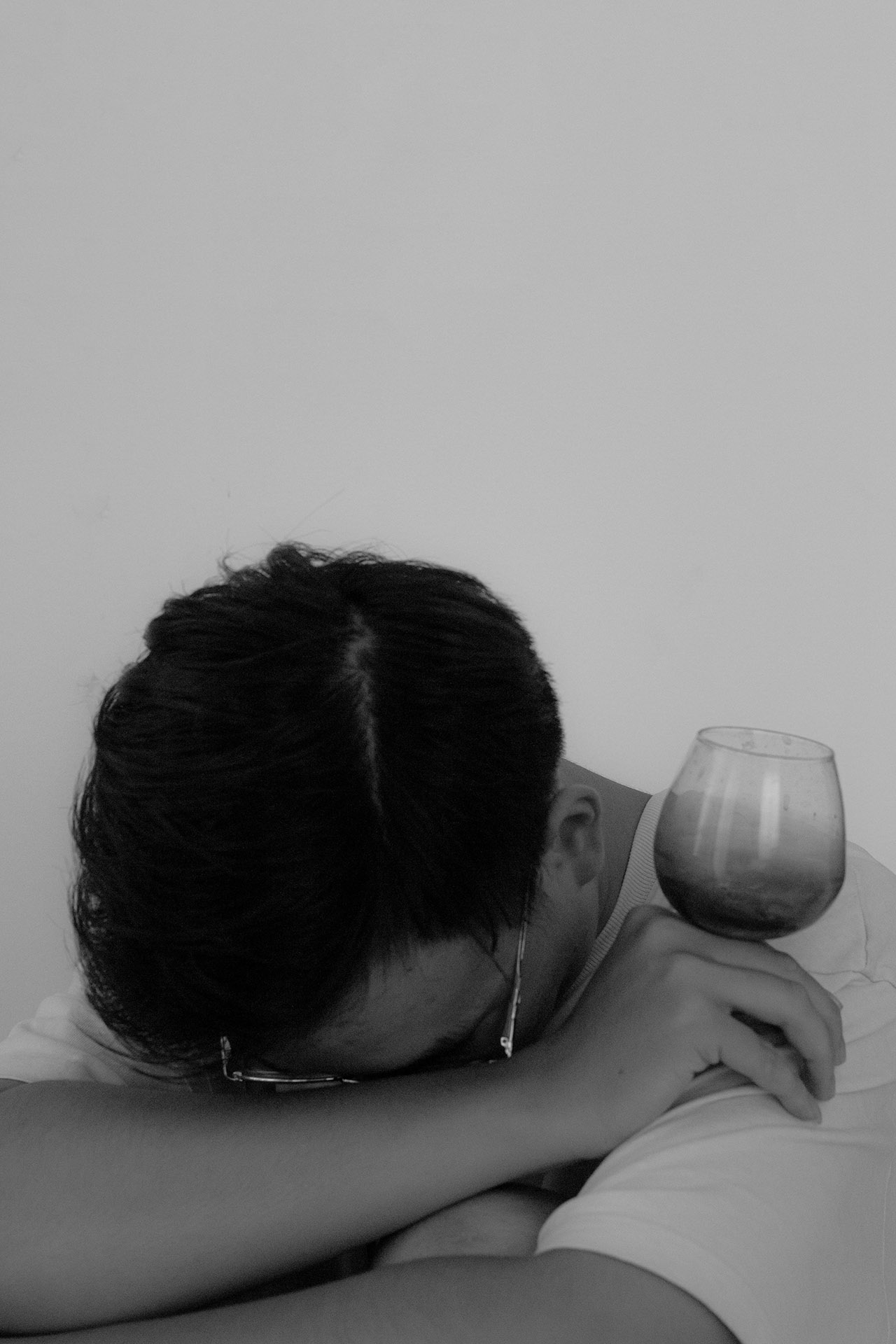
Cannabis can be addictive especially when used regularly and over a long period of time. In fact, it’s estimated that 1 in 3 people that use marijuana will develop a range of problems that will impact their daily lives and one in 10 will develop an addiction.1
Marijuana use is especially concerning for teens and young adults as their brains are still developing. Using cannabis during this time presents a higher risk of addiction.
myth #7 – Willpower is all you need to quit
Addiction is complex. It changes brain chemistry – corrupting the body’s natural pain management and overloading pleasure receptors. These changes reduce the ability to self-regulate and resist urges to use and make it extremely difficult to quit “cold turkey”.
Rehabilitation programs that include accountability, group therapy, and personal counseling provide a safe place to start the healing process. It takes courage to unpack past emotional hurts, trauma, and skewed self-worth. Recovery is a lifelong journey of healing and requires more than determination.
myth #8 – We need to have a surprise intervention
Confrontational interventions might make for dramatic television, but they are not the most effective way to convince your loved one they need to seek help. In fact, most times they have the opposite effect, leaving the person feeling isolated, ashamed, and embarrassed.
If you are concerned about a loved one’s addiction, share your concerns with them in a one-on-one conversation. Bring suggestions for help but be prepared for resistance and perhaps a defensive burst of anger. Don’t be discouraged. Stay the course and continue to have an open dialogue about your concerns.
If you’d like more ideas about confronting addiction, read our blog post How To Talk To Your Loved One.
When it comes to substance abuse, take the time to understand the issue. When you deconstruct myths and misconceptions, you help remove the stigma of addiction and support those on their road to recovery.


