

Chances are, when you think of drug addiction, an unsavoury image comes to mind. But the truth is – addiction weaves its way through every corner of society, touching every race, class, and career without pause.
Many Faces of Addiction
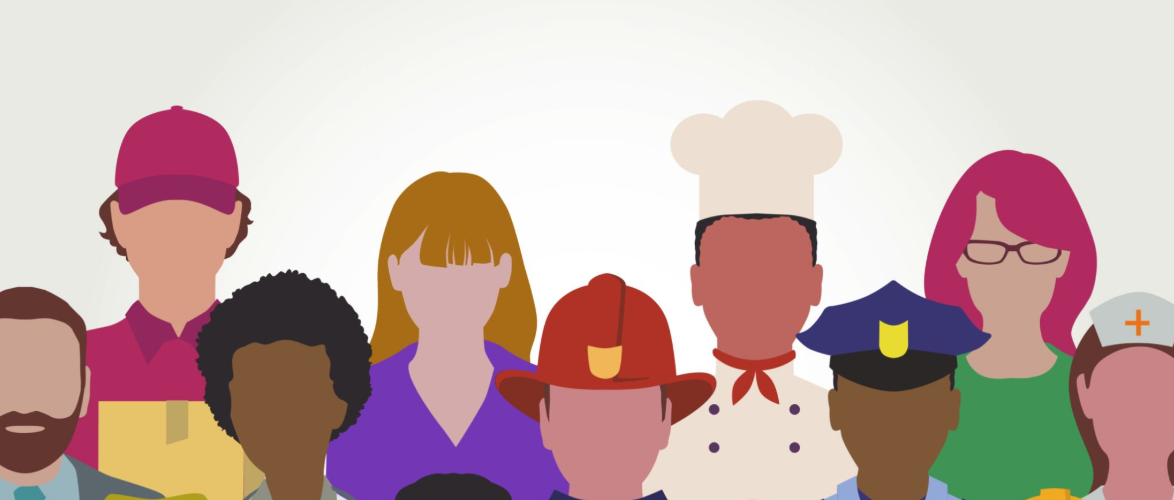
It’s the nurse treating you at the hospital. After her shift, she goes home and escapes the pressure of her job by misusing prescription medication.
It’s the police officer, out on the beat, surrounded by the illegal drug trade each day. No one knows that he’s buying from the same people he sees on the street every day.
It’s the business professional – by day, he wears a suit and navigates substantial financial deals, and by night, he’s drinking until he passes out.
These are the faces of addiction you may not see. But, at Teen Challenge Canada – we’ve seen it all. Each person that walks through our doors brings their own unique story and challenges that led them to this point in their life.
How Can You Stop the Stigma?
So, if addiction touches so many people, how can we change the conversation? How can we overturn that stereotype you imagined in the first sentence of this post? We have a few suggestions.

LANGUAGE
Words are powerful and you should use them wisely. They can build up but also cut down. There are many stereotypes that degrade the person behind the addiction.
Rather than labeling the person as an addict or junkie, use person-first language. For example, person experiencing addiction. This small change will speak volumes.

EDUCATION
Stigma is often built on misunderstandings and lack of knowledge. A great way to shift a bias is to educate yourself about addiction. Learn the facts about how substances affect the body, how the brain changes during drug abuse, and what it takes to overcome an addiction.
There are many great resources out there to help:
You may also check Teen Challenge Canada’s list of resources to find organizations supporting Canadians in each province and across Canada.

EMPATHY
If you think someone you know is struggling with addiction, connect with them. It might be the conversation that changes everything.
Ask questions and listen to their response. Let them know you care instead of judging them or launching into a lecture. Showing empathy and building trust will allow you to speak into the situation when the time is right.
For more information about having this difficult conversation see our blog post Confronting Addiction – How to Talk to Your Loved One.
When you learn a bit more about addiction, shift your language, and show empathy, you can help others on their recovery journey.