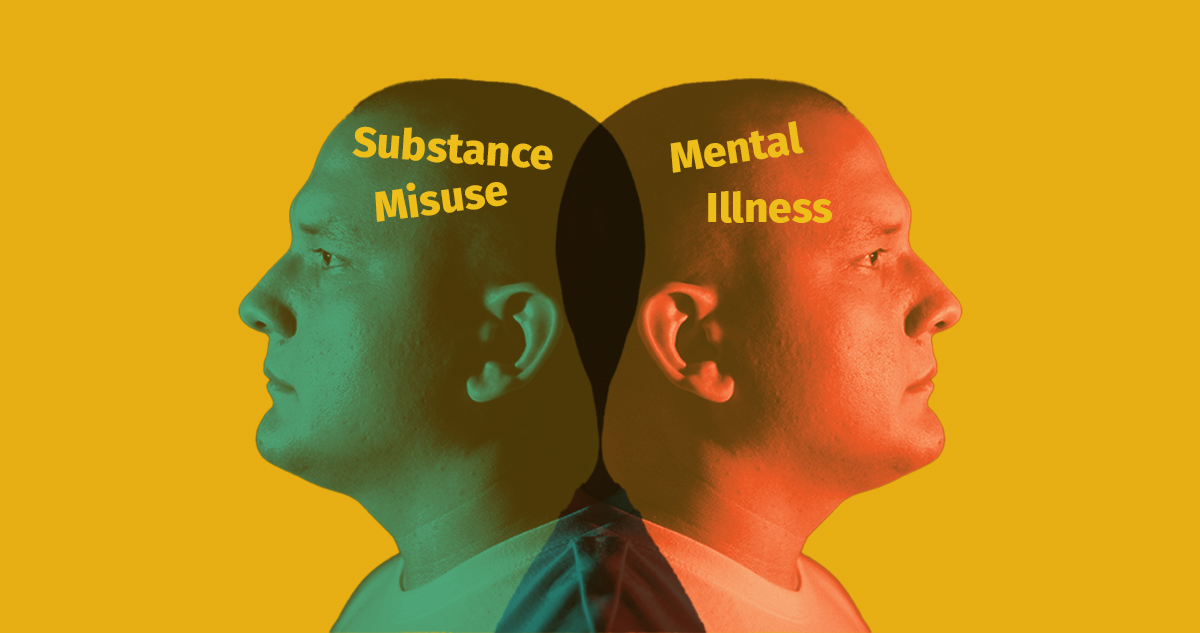
Many times, mental illness and addiction collide in a concurrent disorder. In fact, according to Canada’s Centre for Addiction and Mental Health, men and women with a substance addiction are up to 3 times more likely to have a mental illness.
Numbers for both mental health and addictions are on the rise, particularly since the pandemic with the Canadian Mental Health Association reporting Canadians’ mental health is three times worse than before the pandemic.
COMMON RISK FACTORS
Sometimes, a person with a mental illness uses substances to self-medicate and ease their symptoms. While others have developed a mental health issue after substance misuse.
Both mental illness and substance abuse are greatly influenced by life circumstances, trauma, and stressors, as well as genetic predisposition. Although we know there is a connection, one does not necessarily cause the other.
Some common risk factors for both addiction and mental illness include:
- Adverse childhood experiences – abuse, neglect, lack of loving relationships
- Trauma or PTSD
- Environmental factors like poverty or instability
- Stressors such as a divorce or job loss
- Family history
BOTH NEED TO BE TREATED
While mental illness and addiction are closely related, they both need to be treated distinctly. Unfortunately, many times there are barriers for Canadians needing to access both mental health and addiction services concurrently.
Individuals seeking help may receive treatment for one condition but due to fragmented services, their other issues are overlooked or inadequately addressed.
This could be due to the way our health care system is structured in Canada with mental health and addiction services run by different agencies. It also may be difficult to diagnose with addiction masking mental health problems or vice versa.
Regardless of the cause, it is important to integrate treatment for both issues to ensure the best outcome.


TIME INVESTMENT
Many times, these issues are happening concurrently which makes treatment more complex. It’s more difficult for both the patient and for those helping them, but there is hope.
It is crucial to invest the time necessary to properly diagnose and treat all aspects and allow healing to take place. A longer treatment plan provides time to build trust which helps to address the underlying issues.
Over time, men and women start to understand that while their substance use helped them manage their pain, they were actually hurting themselves. They will then learn new coping methods without the use of substances. Gradual changes are crucial for sustainable recovery.
While Teen Challenge Canada is not a mental health facility, many of our clients are living with mental health disorders. Our admissions department will work with the individual to help determine if Teen Challenge can help them reach their recovery goals.



THERE IS HOPE
Battling both an addiction and a mental illness can feel overwhelming, but there is hope. Don’t give up on finding resources that will help you or your loved one on the road to recovery.
The following organizations provide information and services for those needing mental health and addiction support. We hope these resources aid in your recovery journey.
Centre for Addiction and Mental Health
Canadian Mental Health Association
Canadian Institute for Health Information
Share This Story, Choose Your Platform!