
Letter from a local Church …
Dear Teen Challenge Canada,
We are reaching out to seek your guidance and support. Over the past year, we have noticed a growing number of families in our congregation struggling with loved ones facing addiction. This crisis has left us feeling uncertain about how best to support these families. We are looking for encouragement, resources, and insights on what addiction recovery can teach us to better support our community. How can we, as a church, help these individuals and families navigate their challenges and foster an environment of understanding and healing?
Sincerely,
A Concerned Church Community Pastor
Dear Concerned Church Community Pastor,
Thank you for reaching out. Your willingness to support those facing addiction in your community is commendable. The addiction crisis in Canada is significant. With one-fifth of Canadians addicted to illegal substances, 45% of young adults actively using cannabis in the past year, and one in five Canadians using psychoactive prescription drugs daily, the need for addiction recovery is great. Understanding what recovery can teach us is crucial in addressing this crisis and supporting our local communities.
What Can Recovery Teach Our Families?
Understanding and Recognizing Enabling Behaviours
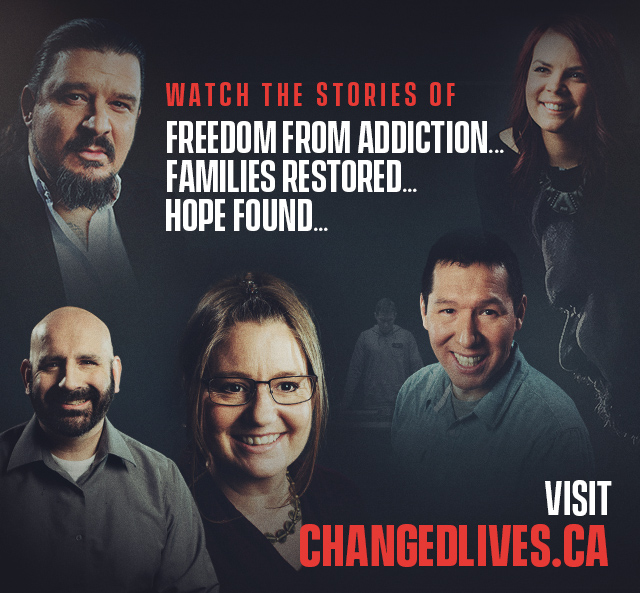
Addiction often involves rationalizations, self-deception, and lies we tell ourselves. In recovery, individuals must recognize they need help to overcome these internal battles. Families may also fall into similar patterns, believing they can handle everything alone within their family circles. In trying to help, they might unintentionally facilitate or “enable” the addiction. Recognizing and addressing these patterns is the first step toward breaking them. As Chanelle, a Teen Challenge Canada (TCC) graduate, says, “A lot of people that go through addiction, they don’t understand it. Their families don’t understand it. At a place like Teen Challenge Canada, people know what they are doing, and can help you get better” (www.changedlives.ca/chanelles-story). It’s essential for families to hear this, Pastor, and the church can and needs to advocate for necessary family support, within community outreach circles and internal messaging.
Seeking External Support and Community Resources
Families need to know that they do not have to navigate the complexities of addiction and recovery alone. Seeking external support and utilizing community resources can provide the necessary tools and guidance. Churches can play a vital role in this, by connecting families with local 12-step programs, supportive mentoring accountability groups, or assisting individuals in navigating admissions to a Teen Challenge Canada centre. By fostering a sense of community and offering practical support, churches can be instrumental in guiding individuals and their families on their path to recovery.
Understanding the Importance of Interdependence
Recognizing one’s interdependence and embracing a supportive community is a key step toward recovery. As Tracey, another Teen Challenge Canada graduate, recalls, “When I came to Teen Challenge Canada, I could barely walk the length of a driveway. I was met at the airport by supportive staff. When I got to the centre, I was greeted by a group of 20 people who were happy that I was there and encouraged me that I had made the right decision” (www.changedlives.ca/traceys-story).This sense of belonging and support is vital. Al, another TCC graduate, years after completing his program, still finds strength in the understanding and support of his “brothers” he met while in his program (www.changedlives.ca/als-story). Families can learn from these examples by fostering strong support networks both inside and outside the home. By incorporating these principles, church families can create a supportive environment that encourages recovery and growth. Pastor, your church can help by fostering these practices, providing resources, and offering a compassionate, understanding community for families dealing with substance addiction.

What Can Recovery Teach the Church?
Understanding Identity and Belonging
Addiction is deeply intertwined with questions of identity, and many individuals lose track of who they are. In recovery, discovering one’s true self, away from substance abuse, can be challenging especially when transitioning into a positive and welcoming church community. It’s essential for your congregation to accept and support individuals as they are, helping them find their true identity in Christ as they rebuild their lives away from addiction.
Recognizing Spiritual Warfare
Addiction is a profound struggle that touches our deepest needs. Adrian van Kaam, a Dutch writer and psychologist, described addiction as “a counterfeit of religious presence.” Only God can help us become what He intended, and any attachment that steals our desire and freedom must be confronted. This battle requires consistent, dedicated support from the church. Equip your members with the understanding that supporting someone in recovery is a spiritual battle, requiring prayer, patience, and persistence.
Creating a Safe and Supportive Environment
Creating a welcoming and non-judgmental environment in your church is crucial. Whether on Sunday mornings, in midweek groups, or in different ministries, ensure that people struggling with addiction feel safe and accepted. Offer hope and encouragement, allowing them to feel understood rather than judged. This can significantly impact their journey to recovery.
Providing Practical Resources and Support
As Romans 15:13 says, “May the God of hope fill you with all joy and peace as you trust in Him, so that you may overflow with hope by the power of the Holy Spirit.” Recovery is a journey filled with challenges and the need for grace to be given. Your church can play a crucial role in helping families struggling with addiction. Begin by encouraging open conversations about addiction and recovery, offering resources like Celebrate Recovery groups, family mentorship, and support groups.
By fostering a compassionate and understanding environment, your church can help individuals and families support and encourage their loved ones to seek the help they need for recovery. This support can be a lifeline for those struggling with addiction, providing them with the hope and resilience needed to stay on the path to recovery.
Our thoughts and prayers are with you, Pastor, as you continue to explore how to reach out and support those locally in addiction.
Sincerely,
Teen Challenge Canada
Share This Story, Choose Your Platform!